

Last updated: January 2026
Time to Read:
Australia’s aged care system is changing fast, and for service/associated providers, that means more consistent work if you’re set up early.
If you’re a healthcare professional or you run a home services business (cleaning, gardening, home maintenance, transport), this matters because Support at Home changes how work flows, how services are funded, and what “being ready” looks like.
This guide breaks down what Support at Home is, what changed, where the opportunities are, and what you need to prepare so you can start picking up aged care work in 2026.
Quick Start Checklist (save this)
If you want to be ready to work under Support at Home, aim to have:
✅ National Police Check (commonly valid for 3 years)
✅ Insurance (public liability or professional indemnity)
✅ Australian Business Number
✅ Registration or trade licences (if relevant)
✅ A simple way to track jobs, notes, and invoicesFill’d helps you standardise this with a guided workflow, so you don’t have to build your own process from scratch.
Want work without chasing leads?
If you want the simplest way to access aged care work without cold calling providers, Fill’d helps service/associated providers get verified once and matched to registered/approved providers based on your services, location, and availability.
Upload your documents once, and registered/approved providers can see you’re ready to work.
No commission is taken from your rate.
What is the Support at Home program?
Support at Home is Australia’s new unified framework for delivering aged care services to people living at home.
It launched progressively from July 2025 and replaces:
- the Commonwealth Home Support Programme
- Home Care Packages
- the Short-Term Restorative Care Programme
Instead of multiple programs with different rules, Support at Home brings home care into one person-centred system.
Why this matters for service/associated providers

Support at Home creates real opportunity, but it also raises expectations.
If you’re a healthcare professional
You’ll likely see:
- stronger demand for clinical services delivered at home
- more flexible work options (short-term interventions, specialist support)
- clearer pathways into aged care work
If you’re a home service/associated provider
You’ll likely see:
- steady year-round demand (especially cleaning, gardening, maintenance, transport)
- more reliable payment through government-funded care budgets
- more work tied to safety and independence (not just “nice-to-have” services)
The big shift
Funding becomes more flexible and dynamic, which means needs can change more often, and new jobs appear faster.
What changed under Support at Home?
From fixed packages to flexible support
Previously:
- multiple programs with different rules
- fixed package levels with set budgets
- limited flexibility to adjust services
- inconsistent standards across programs
Now (Support at Home):
- one unified program
- individual budgets based on assessed needs
- reviews that adjust funding as needs change
- consistent quality standards across services
What this means for you: demand becomes more fluid. If a client’s needs change, services can shift – creating movement across categories (for example, cleaning → transport → nursing).
The five service categories are creating new opportunities
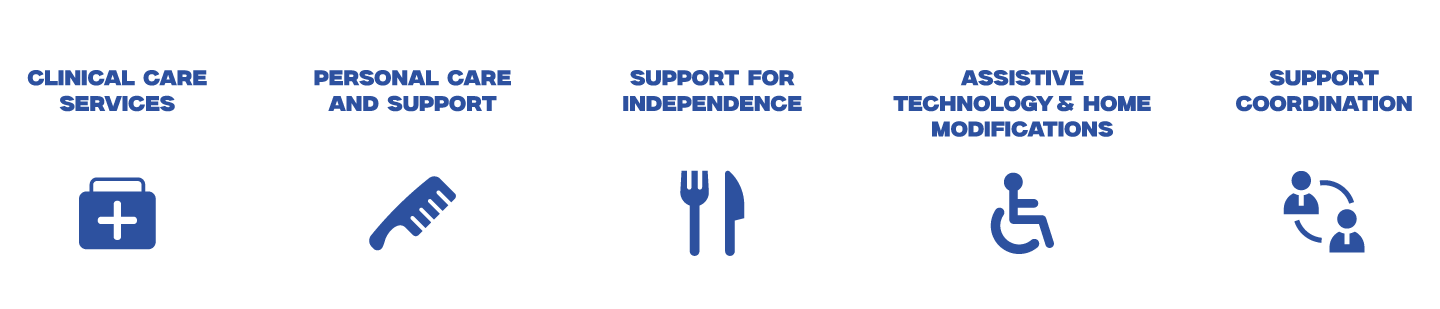
Support at Home introduces clearer service categories, making it easier to understand where you fit.
Includes:
- nursing (wound care, medication support, monitoring)
- allied health (physiotherapy, occupational therapy, speech pathology, podiatry, dietetics)
- specialist supports (palliative care, dementia care, continence support)
Why this matters: More complex care is being delivered at home, and registered providers need flexible clinical support.
Includes:
- assistance with showering, dressing, mobility
- meal support
- continence support
Why this matters: Earlier intervention is a priority, so demand starts before clinical needs escalate.
Includes:
- home cleaning and domestic assistance
- gardening and property maintenance
- transport
- social support and companionship
Why this matters: This is typically the largest category by volume, with consistent recurring work.
Includes:
- mobility aids and assistive devices
- home modifications (ramps, rails, bathroom changes)
- technology installation and support
Why this matters: More funding for modifications means more demand for trades and installers who understand accessibility needs.
Includes:
- care planning and coordination
- service navigation
- managing multiple providers
Why this matters: Experienced healthcare professionals may find higher-value coordination work here.
How funding works (and why you should care)
Support at Home replaces fixed package levels with individual budgets based on assessed needs.
For service/associated providers, this usually means:
- More dynamic demand
Needs can change, and care plans can shift, creating new work across categories.
- More reliable payment
Funding is government-backed and paid through registered/approved providers. You’re not chasing individual client invoices.
- Proof of service matters more
Clear records of what was delivered (and outcomes) become more important.
How Fill’d helps service/associated providers

Fill’d is built for service/associated providers who want consistent aged care work without repeating onboarding over and over.
With Fill’d, you can:
- get verified once (documents like police check, insurance, licences, registrations)
- be visible to multiple registered/approved providers at the same time
- receive matched opportunities based on your services and location
- choose what you accept (you stay in control of your schedule)
- keep your full rate, with no commission deductions
For many providers, this means less time chasing work, and more time delivering services.
Quality expectations under the Aged Care Act 2024
Standards are tightening across the board, including for service/associated providers working with registered/approved providers.
Expect stronger requirements around:
- worker screening and ongoing monitoring
- incident reporting and complaint handling
- audit-ready records
- digital service confirmations and progress notes
- client feedback and satisfaction tracking
What this means for you: registered/approved providers will increasingly prefer partners who are compliant, consistent, and easy to onboard.
What you need to prepare
Common requirements include:
- current registration (for example, Australian Health Practitioner Regulation Agency)
- professional indemnity insurance
- National Police Check
- current cardiopulmonary resuscitation and first aid
- relevant specialty certifications
Fill’d guides you through a simple digital workflow for:
- Rostering
- Confirming services
- Writing notes
- Secure messaging
Common requirements include:
- Australian Business Number
- National Police Check
- public liability insurance
- trade licences (where applicable)
Fill’d guides you through a simple digital workflow for:
- Job tracking
- Service completion records
- Invoicing and admin
This keeps you organised without building your own process from scratch.
Most importantly, reliability, clear communication, and consistency matter. These are often the first things registered/approved providers look for when compliance pressure rises.
Where the biggest opportunities are in 2026
The areas growing fastest include:
- technology support (installing and maintaining devices and monitoring systems)
- flexible clinical services (short-term interventions, specialist visits, assessments)
- home maintenance and modifications (accessibility-focused work and safety improvements)
- earlier intervention services (cleaning, gardening, transport before needs become clinical)
- regional and remote delivery (local providers win when coverage is the priority)
How technology supports the transition
Registered/approved providers increasingly rely on systems that help them move faster while staying compliant.
That includes:
- workforce visibility (who is available, where, and for what services)
- smart matching (matching service needs to capability, location, and preferences)
- automated compliance tracking (expiry reminders, verification, audit-ready reporting)
What this means for you: If you show up verified and ready to go, you get found faster.
What’s next
Support at Home creates a genuine opportunity, but service/associated providers who move early will find it easier to build consistent relationships and repeat work.
In Part 2, we’ll break down how to access aged care work step-by-step: what you need, what to prepare, and the fastest path to start receiving opportunities.
Read Part 2: How to Get Aged Care Work in Australia
Ready to start?
If you want to start receiving aged care opportunities in 2026, the best time to get verified is before demand spikes.
Frequently Asked Questions
Support at Home is Australia’s government-funded aged care program for people living at home. It launched progressively from July 2025 and replaces the Commonwealth Home Support Programme, Home Care Packages, and the Short-Term Restorative Care Programme with a single, unified system.
Support at Home began rolling out from 1 July 2025. The transition happens in stages, and the changes will continue to impact service delivery throughout 2026.
Support at Home replaces fixed Home Care Package levels with individual budgets based on assessed needs. Funding can adjust as needs change, and service categories are clearer with stronger quality expectations across providers.
Support at Home includes five service categories:
- clinical care services,
- personal care and support,
- support for independence,
- assistive technology and home modifications,
- support coordination
Not always. Many service/associated providers (healthcare professionals, cleaners, gardeners, tradespeople) work as contractors or partners to registered/approved providers without needing their own registration.
Full provider registration is typically required for organisations that manage care plans and funding directly.
Most service/associated providers need a National Police Check and appropriate insurance. Healthcare professionals usually need current professional registration and professional indemnity insurance. Home service/associated providers typically need an Australian Business Number, public liability insurance, and relevant trade licences where applicable.
Funding is government-backed and paid through registered/approved providers. service/associated providers deliver services on behalf of registered/approved providers and are paid through those organisations, rather than invoicing individual clients directly.
Healthcare professionals can work as employees, contractors, or through matching platforms that connect verified professionals with registered/approved providers. You generally need current professional registration, insurance, and screening checks.
Home service/associated providers can access work by partnering with registered/approved providers directly or joining matching platforms that connect verified providers to jobs. Most providers need an Australian Business Number, police check, and public liability insurance.
Registered/approved providers increasingly rely on tools for rostering, service verification, secure communication, compliance tracking, and audit-ready documentation.
Service/associated providers benefit from being comfortable with digital job confirmations and basic service notes.
This blog post is for informational purposes only. Service/associate providers should verify current compliance requirements with relevant authorities.
Leave a Reply